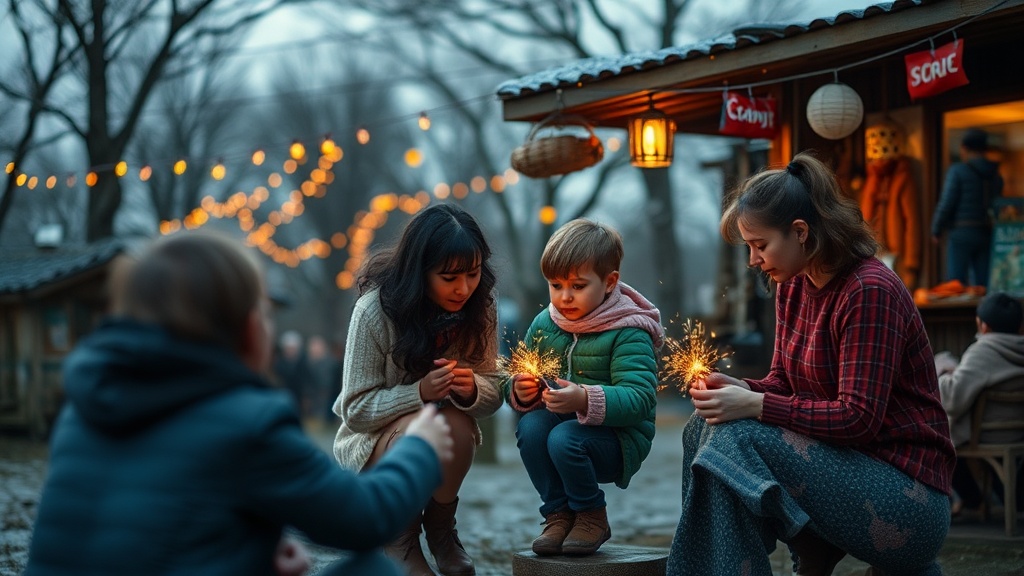
Finding Magic in the Mundane with Low-Cost Family Traditions

Do you ever feel like your family's "special moments" are only happening on birthdays or expensive vacations? This post explores how to build meaningful, low-cost traditions that turn ordinary weekdays into something worth remembering. We’ll look at why small, repeatable rituals matter more than big-budget events and how to build a sense of stability without breaking the bank.
The pressure to create "magical" childhoods often comes from a place of high expectations and social media perfection. We see families on Instagram eating gourmet brunch or traveling to Disney World, and it's easy to feel like we're failing if our Friday nights are just laundry and lukewarm pasta. But the reality is that kids don't need a trip to a theme park to feel connected; they need consistency.
Rituals provide a sense of safety. When a child knows that Thursday night is always "Pizza and Board Game Night," it creates a predictable rhythm in a world that often feels chaotic. These small beats of predictability are actually quite significant for a child's development—it’s a way to ground them. (And honestly, it’s a lot easier on your wallet, too.)
How Can You Create Traditions Without Spending a Fortune?
You can create lasting traditions by focusing on time and presence rather than purchasing new toys or experiences. The most impactful rituals often use things you already own or items that cost almost nothing. It's about the ritualized action, not the price tag.
Think about the difference between a "special event" and a "tradition." An event is a one-off occurrence—like a trip to the zoo. A tradition is a recurring rhythm—like a Saturday morning walk to the local park to look at the ducks. One is a highlight; the other is a foundation.
Here are a few low-cost ideas to get started:
- The Weekly "High/Low" Dinner: Everyone shares the best part of their day and the hardest part. It’s free and builds emotional intelligence.
- Friday Night Movie Marathons: Pop some stovetop popcorn, dim the lights, and watch a classic. You don't need a Netflix subscription if you use a library card to borrow DVDs.
- Backyard Camping: If you have a tent or even just a pile of blankets, a "campout" in the backyard or even the living room feels like a massive adventure to a six-year-old.
- The "Artist of the Month": Set up a cheap watercolor set or some crayons and dedicate one night a month to creating something together.
The goal isn't to add more to your to-do list. It’s to change the way you view the things you're already doing. If you're already eating dinner together, make it a "No Phones at the Table" rule. That's a tradition. It's a boundary that creates connection.
What Are the Best Low-Cost Family Activities for Kids?
The best low-cost activities are those that rely on imagination and shared engagement rather than high-tech gadgets. When you remove the distraction of a screen, you often find that the simplest activities become the most memorable.
I've noticed that the more "stuff" we buy to keep kids entertained, the faster they get bored of it. A box of LEGO bricks or a set of basic art supplies can provide hundreds of hours of play if you engage with them. If you're feeling overwhelmed by the mental load of keeping them entertained, you might find tips for balancing family and work helpful for managing your own energy levels.
| Activity Type | Typical Cost | The "Magic" Factor |
|---|---|---|
| Library Visit | $0 | The thrill of choosing your own "treasure." |
| Nature Walks | $0 | Finding "treasures" like cool rocks or leaves. |
| Baking Together | Low | The sensory experience of flour and sugar. |
| One-time | Friendly competition and laughter. |
Don't underestimate the power of a simple walk. According to the CDC, regular physical activity is vital for children's health, but it doesn't have to be a structured sports league. A walk through the neighborhood to look at the different colored houses is plenty.
Sometimes, the most "magical" things are the ones that require zero prep. A "Dance Party" in the kitchen while you're making school lunches is a tradition. It's silly, it's fast, and it's free.
Why Do Small Rituals Matter for Child Development?
Small, consistent rituals provide a sense of security and predictability that is vital for a child's emotional regulation. When a child knows what to expect, their nervous system can relax.
In a world that is increasingly digital and fast-paced, these analog moments act as an anchor. We spend so much time worrying about the "big" things—college funds, career paths, social circles—that we forget that a child's world is much smaller. To them, the "big" thing is whether or not we're going to read two books instead of one tonight. It's the small stuff that builds their sense of self and their connection to you.
This isn't just about "fun." It's about building a framework for life. If you practice gratitude during a weekly ritual, they carry that into adulthood. If you practice movement during a weekend ritual, they develop a healthy relationship with their bodies. It's a way of teaching values without a lecture.
That said, don't feel like you have to be perfect. If you miss a week of "Board Game Night" because everyone is exhausted or a kid has a fever, it's fine. The tradition isn't a law; it's a rhythm. If you're struggling with the stress of keeping up with everything, you might want to look into raising resilient kids without burning out. The last thing you want is for your "traditions" to become another source of parental guilt.
The beauty of a low-cost tradition is its resilience. It doesn't rely on a credit card or a flight booking. It relies on you. It's a way to say, "I see you, and I'm here," without needing to buy a single thing.
The next time you feel that pang of guilt because you aren't "doing enough" for your family, remember that the most meaningful moments are often the ones that cost nothing at all. A joke shared over a messy breakfast or a regular time to sit on the porch together—these are the things that stay with them. They aren't just memories; they are the fabric of their childhood.