
Why Calm Parenting Is Harder Than It Looks (And How to Actually Do It)

There’s a version of parenting that looks great on Instagram: calm voice, patient responses, no yelling, endless emotional regulation. It’s aspirational—and wildly unrealistic on most days.
But here’s the uncomfortable truth: calm parenting isn’t about staying perfectly composed. It’s about what you do after you lose it, how you design your environment, and whether your expectations match reality.
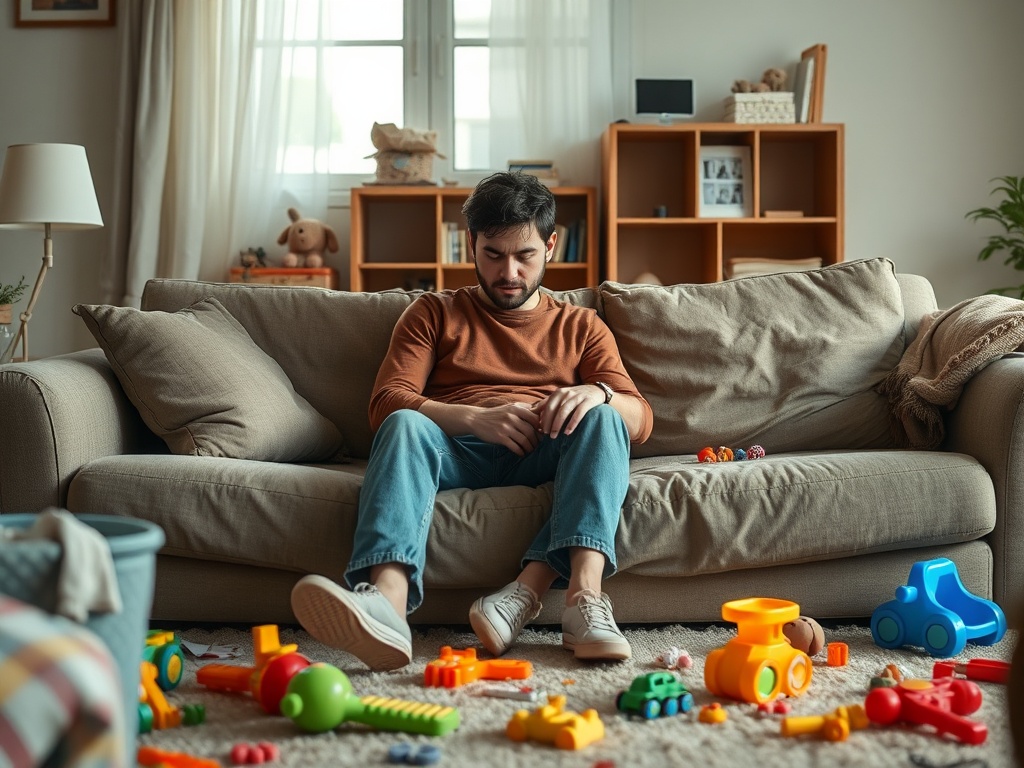
The Myth of the Always-Calm Parent
Let’s be blunt. If your goal is to never raise your voice, you’re setting yourself up to fail. Parenting is a high-stress, low-control environment. Kids are unpredictable, loud, and emotionally raw. You are tired, stretched thin, and often overstimulated.
Calm parenting, as it’s often sold, implies emotional perfection. That’s not just unrealistic—it’s counterproductive. Kids don’t need perfect parents. They need predictable ones.
Predictability builds trust. Perfection builds pressure.

What Calm Parenting Actually Means
Calm parenting isn’t about suppressing your reactions. It’s about shortening the gap between reaction and repair.
That gap is everything.
- You snap → you notice it → you repair
- You raise your voice → you reset → you reconnect
Kids learn more from repair than from perfection. When you circle back and say, “I shouldn’t have yelled. I was overwhelmed. Let’s try again,” you’re modeling emotional accountability.
That’s the real skill.

Why You Lose Your Cool (It’s Not Just You)
Most parenting advice skips this part. Losing your temper isn’t a character flaw—it’s often a systems problem.
Here are the usual culprits:
- Overload: Too many decisions, too little downtime
- Unclear boundaries: Repeating yourself 10 times drains patience
- Unrealistic expectations: Expecting a 4-year-old to behave like an 8-year-old
- No recovery time: You’re always “on”
Fixing calm parenting isn’t about trying harder. It’s about removing friction.
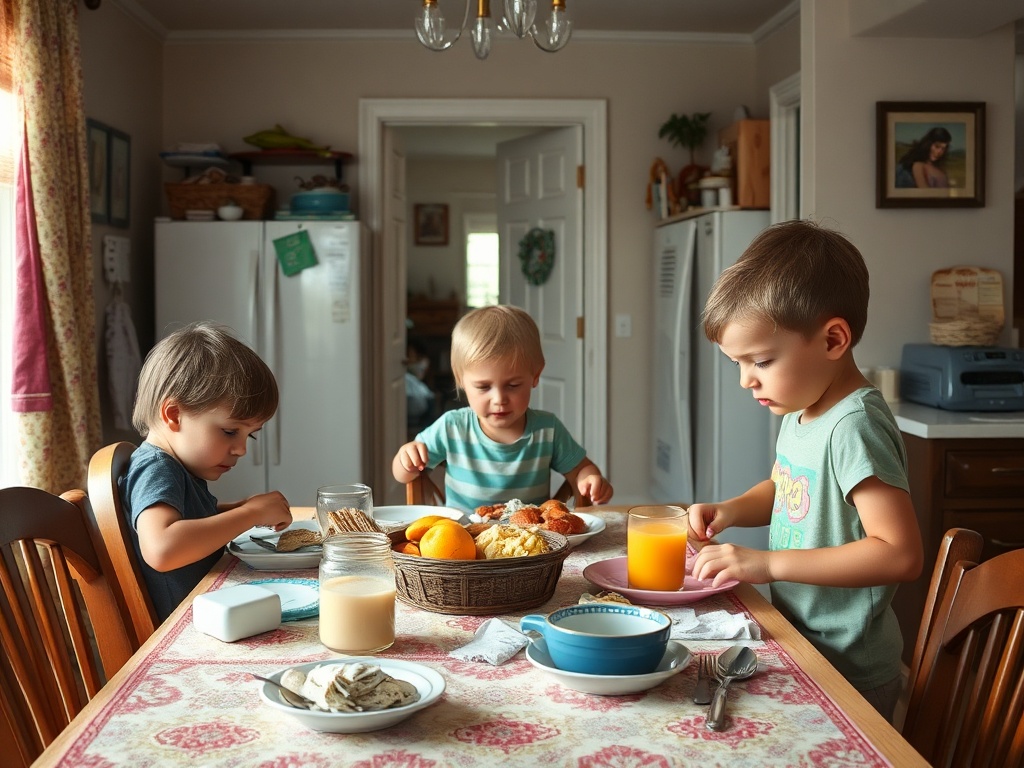
Design Your Home for Fewer Battles
Calm parenting starts before conflict happens. It’s built into your routines and environment.
Think in terms of friction:
- If bedtime is a fight every night, the problem isn’t your patience—it’s the system.
- If mornings are chaos, your setup is doing too much work.
Try this instead:
- Lay out clothes the night before
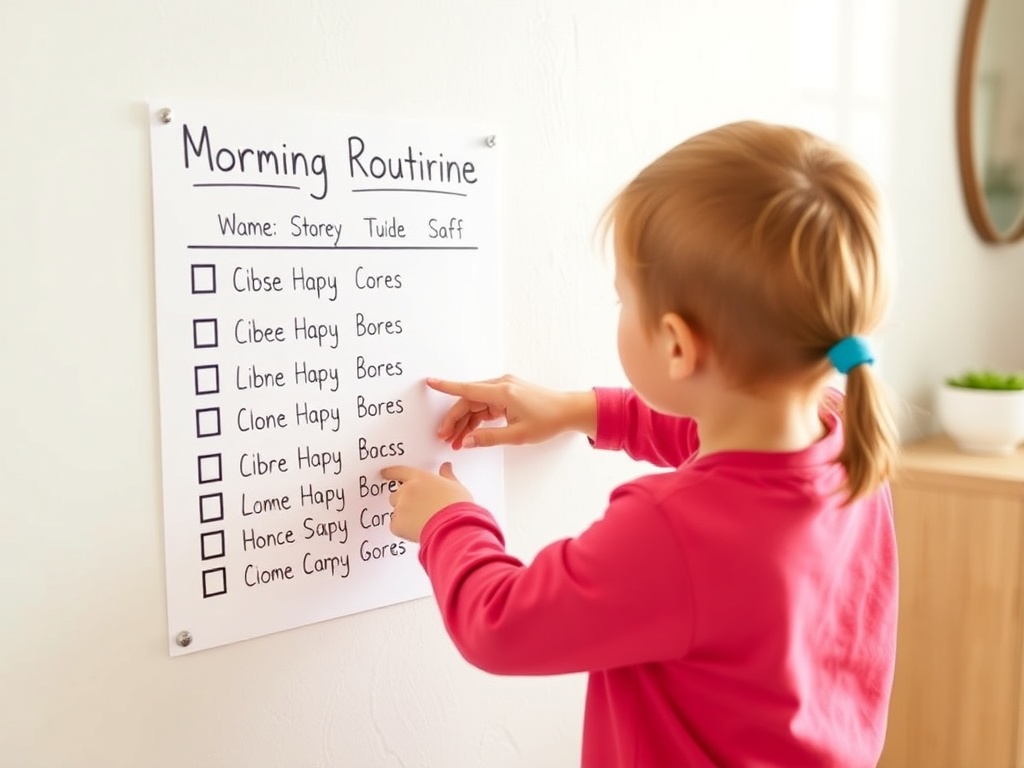
- Use visual schedules for younger kids
- Limit choices (two options, not ten)
- Build in transition warnings (“5 minutes until we leave”)
Good systems reduce emotional load—for both of you.
Set Boundaries You Can Actually Enforce
Nothing erodes calm faster than boundaries you don’t enforce.
If you say “no screens after dinner” but give in every night, you’re training your child to push harder next time. That creates more conflict, not less.
Calm parenting requires clarity:
- Say less, mean more
- Follow through consistently
- Avoid threats you won’t enforce
This isn’t about being strict. It’s about being reliable.

Regulate Yourself First (Yes, Even Then)
You can’t co-regulate your child if you’re dysregulated yourself. That sounds obvious, but in the moment, it’s hard.
Here’s a practical approach:
- Pause before responding (even 3 seconds helps)
- Lower your voice instead of raising it
- Change your physical position (sit down, step back)
These aren’t dramatic techniques. They’re small interrupts that stop escalation.
Calm parenting isn’t about never feeling angry. It’s about not letting anger drive the next move.

Repair Is the Skill That Matters Most
If you take one thing from this, let it be this: repair beats perfection.
After a hard moment:
- Acknowledge what happened
- Name your feeling
- Reconnect physically or verbally
Example: “I got frustrated and yelled. That wasn’t fair. I’m sorry. Let’s figure this out together.”
This teaches your child how relationships actually work—not the polished version, but the real one.

Lower the Bar (Strategically)
Some days are survival days. And that’s fine.
Calm parenting doesn’t mean every interaction is a teachable moment. Sometimes it means ordering pizza, skipping the lesson, and getting everyone to bed.
Consistency over intensity wins here. A mostly calm household beats occasional perfection.

The Long Game
Calm parenting is less about the moment and more about the pattern.
What your child experiences over time matters more than any single reaction. If most of your interactions are respectful, predictable, and connected, the occasional blow-up won’t define the relationship.
And if they aren’t yet—that’s not a failure. It’s a signal to adjust the system, not judge yourself.
That’s the mindset shift: calm parenting isn’t something you perform. It’s something you build.